 Mr. Ryanster
What can I do for you?

Ryanster Petroleum Equipment Co,.Ltd
Choke manifolds are vital components in the oil and gas industry, particularly for well control operations, as they manage and control well pressure to ensure safety and prevent blowouts during drilling, completion, or intervention processes. These systems consist of valves, gauges, and adjustable chokes that allow operators to regulate fluid flow and maintain wellbore stability. The primary functions of a Choke Manifold include managing pressure during kicks, controlling flow during well testing, facilitating well cleanup, maintaining wellbore stability, and regulating pressure in hydraulic fracturing operations. There are two main types of chokes: adjustable chokes, which allow for manual flow control, and positive chokes, which have a fixed orifice size. The importance of choke manifolds lies in their ability to provide precise pressure control, thereby enhancing safety and efficiency in drilling operations and protecting personnel, equipment, and the environment. Overall, choke manifolds are indispensable in the oil and gas industry for successful and safe production processes.
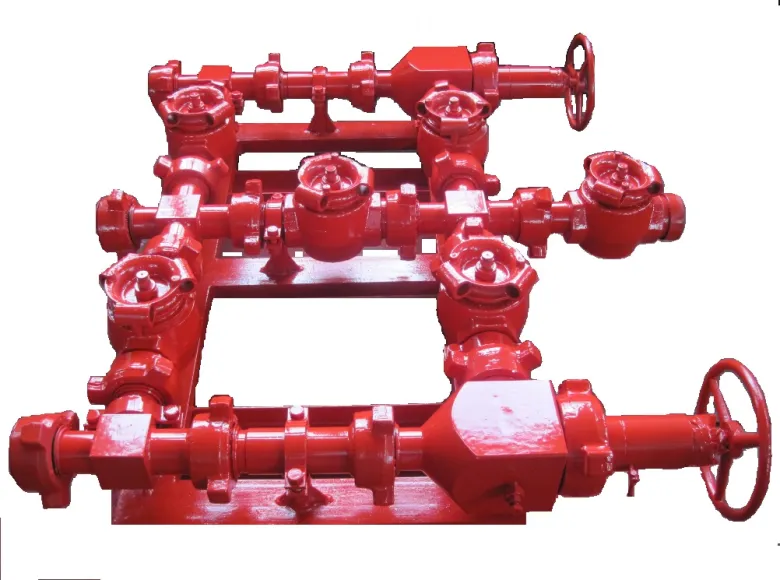

In today's fast-paced oil industry, the efficiency and reliability of equipment can make or break a project. One critical component that often goes overlooked is the choke manifold. I’ve come to realize that understanding the significance of choke manifolds is essential for anyone involved in oil field operations. Here are the top five reasons why they are indispensable in modern oil fields.
First, choke manifolds play a vital role in controlling the flow of fluids. When drilling or producing oil, managing pressure is crucial. A choke manifold allows operators to adjust the flow rate, ensuring that the pressure remains within safe limits. This not only protects the equipment but also enhances safety on-site.
Second, they contribute to the optimization of production. By precisely controlling the flow, choke manifolds help maximize the extraction of oil and gas. I’ve seen firsthand how proper flow management can lead to increased yields, ultimately boosting profitability for operations.
Third, choke manifolds are essential for well testing. Accurate testing is necessary to evaluate the performance of a well. With a choke manifold, operators can simulate various flow conditions, providing valuable data for decision-making. This insight helps in planning future drilling activities and can significantly reduce operational risks.
Fourth, they enhance equipment longevity. By managing pressure fluctuations, choke manifolds protect downstream equipment from potential damage. I’ve often observed that operations that invest in quality choke manifolds experience fewer equipment failures, which translates to lower maintenance costs and less downtime.
Lastly, choke manifolds are integral to environmental protection. By controlling the flow and pressure, they help prevent spills and leaks, which can have devastating effects on the environment. As someone who values sustainable practices, I appreciate how these systems contribute to safer operations.
In summary, choke manifolds are not just an accessory; they are a fundamental component of successful oil field operations. By ensuring flow control, optimizing production, facilitating well testing, enhancing equipment longevity, and protecting the environment, they prove to be key players in the industry. Investing in quality choke manifolds is a step towards ensuring the efficiency and safety of oil field operations.

In the oil production industry, efficiency and safety are paramount. As someone deeply immersed in this field, I understand the challenges that producers face daily. One critical component that can significantly enhance operations is the choke manifold.
Many producers overlook the importance of choke manifolds, often viewing them as just another piece of equipment. However, I have seen firsthand how they can address several pain points in oil extraction. For instance, managing well pressure is crucial. A choke manifold allows for precise control of this pressure, reducing the risk of blowouts and ensuring a safer working environment.
Let’s break down the key benefits of choke manifolds:
Pressure Regulation: By using a choke manifold, producers can effectively manage the flow rate and pressure from the well. This regulation is essential for optimizing production and preventing equipment damage.
Enhanced Safety: Safety in oil production cannot be overstated. Choke manifolds are designed to handle high pressures, thereby minimizing the risk of accidents. By investing in this equipment, producers can protect their workers and assets.
Operational Efficiency: With a choke manifold, the process of controlling flow is streamlined. This efficiency not only saves time but also reduces operational costs in the long run.
Flexibility: Different wells have varying requirements. Choke manifolds provide the flexibility to adjust settings as needed, accommodating changes in production demands or well conditions.
In conclusion, incorporating choke manifolds into oil production operations is not just a recommendation; it’s a necessity. By addressing pressure management, enhancing safety, improving operational efficiency, and offering flexibility, these systems can transform the way oil producers operate. I encourage any producer looking to optimize their operations to consider the significant advantages that choke manifolds offer.
In the oil extraction industry, efficiency is paramount. One of the key components that significantly impacts this efficiency is the choke manifold. Understanding its role can help address common challenges faced during extraction processes.
Many operators struggle with managing fluid flow and pressure during extraction. This often leads to inefficiencies and increased operational costs. I have encountered situations where improper flow management resulted in lost production time and resources. This is where choke manifolds come into play.
Choke manifolds serve as critical control points in the oil extraction process. They regulate the flow of oil and gas, ensuring that pressure levels are maintained within optimal ranges. By doing so, they prevent issues such as blowouts and equipment damage, which can be costly and dangerous.
To effectively utilize choke manifolds, it is essential to follow a few key steps:
Assess Your Needs: Determine the specific requirements of your extraction site. This includes understanding the types of fluids being extracted and the pressure levels involved.
Select the Right Equipment: Choose a choke manifold that is compatible with your operational needs. Consider factors such as size, pressure rating, and material.
Regular Maintenance: Implement a routine maintenance schedule to ensure that the choke manifold operates efficiently. Regular checks can prevent unexpected failures and prolong the equipment's lifespan.
Training and Awareness: Ensure that all personnel are trained in the operation and significance of choke manifolds. Awareness of their role can lead to better decision-making during extraction processes.
By effectively managing choke manifolds, operators can improve their overall efficiency in oil extraction. This not only enhances productivity but also reduces costs associated with downtime and equipment failure.
In conclusion, the proper implementation and management of choke manifolds can unlock significant efficiencies in oil extraction. By addressing common challenges and following best practices, operators can ensure smoother operations and better resource management.
In the world of modern oil operations, choke manifolds often go unnoticed. Yet, they play a crucial role in ensuring efficiency and safety. As someone deeply immersed in this industry, I've seen firsthand how these components can make or break an operation.
When I first encountered choke manifolds, I was struck by their complexity. They regulate the flow of fluids, allowing operators to maintain optimal pressure and prevent blowouts. This is especially critical in high-pressure environments where the stakes are high. The pain point here is clear: without effective flow control, the risk of accidents increases, leading to potential losses in both safety and revenue.
To address these concerns, it's essential to understand the functionality of choke manifolds. They come equipped with various features, such as adjustable chokes and pressure gauges, which allow for precise control over the flow of oil and gas. Here’s how they work:
Flow Regulation: Choke manifolds control the rate at which fluids are extracted. By adjusting the choke size, operators can manage the flow effectively, balancing production rates with safety.
Pressure Monitoring: Equipped with pressure gauges, these manifolds provide real-time data. This allows operators to make informed decisions, reducing the likelihood of overpressure situations.
Safety Mechanisms: Many choke manifolds include safety valves that automatically close in case of emergencies, further protecting the operation.
Reflecting on my experiences, I’ve learned that investing in high-quality choke manifolds pays off. Not only do they enhance operational efficiency, but they also safeguard against costly accidents.
In conclusion, while choke manifolds may not be the most glamorous aspect of oil operations, their importance cannot be overstated. By understanding their role and ensuring proper maintenance, we can optimize our operations and prioritize safety. Embracing these unsung heroes is key to thriving in the oil industry.
We has extensive experience in Industry Field. Contact us for professional advice:Ryanster: info@ryanster.com/WhatsApp +8613722754350.
Ryanster 2023 Top 5 Reasons Choke Manifolds Are Key for Today’s Oil Fields
Ryanster 2023 Why Choke Manifolds Are a Must-Have for Oil Producers
Ryanster 2023 Unlocking Efficiency The Role of Choke Manifolds in Oil Extraction
Ryanster 2023 Choke Manifolds The Unsung Heroes of Modern Oil Operations
Ryanster 2023 Enhancing Safety and Efficiency with Choke Manifolds in Oil Fields
Ryanster 2023 The Importance of Choke Manifolds in Oil Production

December 17, 2025
Discharging conductors is a critical procedure for ensuring electrical safety before performing maintenance or inspections on electrical equipment. It is important to understand that even after the
This interactive manual offers vital information for homeowners utilizing a rotary-blade, riding lawn mower specifically designed for maintaining well-kept lawns. It underscores the significance of
Choke Manifold leaks can
The article titled "Choke Manifold
Email to this supplier
December 17, 2025