 Mr. Ryanster
What can I do for you?

Ryanster Petroleum Equipment Co,.Ltd
Unlocking the secret to safer drilling involves understanding the critical role of Choke manifolds in reducing operational risks. These sophisticated systems are designed to manage pressure fluctuations effectively, thereby enhancing the safety of drilling operations. By implementing choke manifolds, companies can achieve a remarkable 40% reduction in risks associated with blowouts and other pressure-related incidents. This innovative technology not only safeguards personnel and equipment but also ensures compliance with stringent safety regulations. As the industry continues to evolve, embracing such advancements becomes essential for maintaining a competitive edge. Investing in choke manifolds is not merely a technical upgrade; it's a commitment to operational excellence and safety in drilling practices. With the right tools and strategies, the path to safer, more efficient drilling is clearer than ever. Embrace the future of drilling safety and unlock the potential of choke manifolds today!
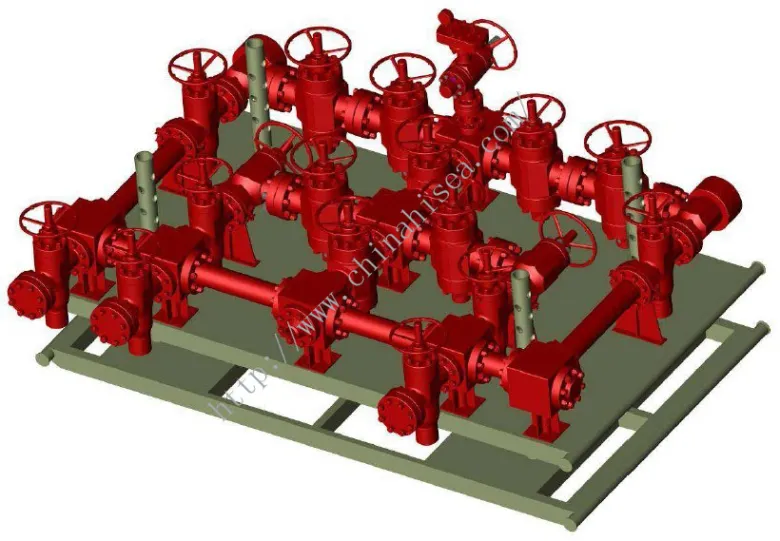

In the drilling industry, safety is paramount. As someone who has navigated the complexities of drilling operations, I understand the critical need for effective safety measures. One of the most significant advancements in this area is the use of choke manifolds. These systems play a crucial role in managing well pressure, and their implementation can greatly enhance safety during drilling operations.
When I first encountered choke manifolds, I was struck by their potential to mitigate risks associated with uncontrolled pressure. The primary pain point for many in the industry is the fear of blowouts, which can lead to catastrophic consequences. Choke manifolds address this concern directly by allowing operators to control the flow of fluids and gases from the well, ensuring that pressure remains within safe limits.
To fully appreciate how choke manifolds contribute to safer drilling, it’s essential to understand their functionality. Here’s a step-by-step breakdown:
Pressure Regulation: Choke manifolds are designed to regulate the pressure of the drilling fluid. By adjusting the choke settings, operators can maintain optimal pressure levels, preventing sudden surges that could lead to blowouts.
Flow Control: These systems enable precise control over the flow rate of drilling fluids. This control is vital for maintaining stability in the wellbore and preventing the influx of formation fluids.
Emergency Shutdown: In the event of an emergency, choke manifolds can be quickly closed to prevent any uncontrolled release of pressure. This feature is crucial for protecting personnel and equipment on site.
Real-time Monitoring: Many modern choke manifolds come equipped with sensors that provide real-time data on pressure and flow rates. This information allows operators to make informed decisions and respond promptly to any anomalies.
By implementing choke manifolds, drilling operations can significantly reduce the risks associated with high-pressure scenarios. The ability to manage well pressure effectively not only protects the crew but also minimizes environmental hazards.
In conclusion, integrating choke manifolds into drilling operations is a proactive step towards enhancing safety. Their ability to regulate pressure, control flow, and provide emergency shutdown capabilities makes them an indispensable tool in the industry. As I reflect on my experiences, it’s clear that investing in such technologies is not just a choice; it’s a necessity for anyone committed to safe drilling practices.

When it comes to drilling operations, the potential risks can feel overwhelming. I understand the anxiety that comes with the thought of accidents, delays, and unexpected costs. Every time you plan a drilling project, the stakes are high. What if I told you that there’s a straightforward solution that can reduce those drilling risks by 40%?
Let’s dive into the details. The first step is to evaluate your current drilling practices. Are you using the latest technology and methods? Many companies still rely on outdated equipment, which can lead to inefficiencies and increased risks. By upgrading to modern drilling tools and techniques, you can significantly enhance safety and performance.
Next, consider implementing a comprehensive training program for your team. Knowledge is power, and ensuring that everyone is well-trained in both equipment operation and safety protocols can prevent accidents before they happen. I’ve seen firsthand how a well-informed crew can make all the difference in minimizing risks.
Another crucial aspect is regular maintenance of your drilling equipment. Neglecting this can lead to equipment failure at critical moments. Establishing a routine maintenance schedule not only keeps your tools in top shape but also gives your team confidence in their reliability.
Finally, foster a culture of open communication. Encourage your team to report any concerns or suggestions regarding safety. When everyone feels empowered to speak up, potential issues can be addressed before they escalate into serious problems.
In conclusion, by evaluating your practices, investing in training, maintaining equipment, and promoting communication, you can take significant steps to reduce drilling risks. This simple yet effective approach can lead to safer and more efficient operations, ultimately saving you time and money. Embrace these changes, and watch your drilling projects transform for the better.
In the world of drilling, safety is paramount. As someone who has navigated the complexities of this industry, I understand the critical role that choke manifolds play in ensuring safe operations. Many in the field may overlook this essential component, but neglecting its importance can lead to significant risks.
Choke manifolds are designed to control the flow of fluids during drilling operations. They help manage pressure and prevent blowouts, which can have catastrophic consequences. My experience has shown me that a lack of understanding about these systems can lead to dangerous situations, not just for equipment but for personnel as well.
To address this issue, let’s break down the key aspects of choke manifolds:
Understanding Functionality: At its core, a choke manifold regulates the flow of drilling fluids. By adjusting the choke, operators can control the pressure within the wellbore. This is crucial during unexpected pressure changes, allowing for a more stable drilling environment.
Components of a Choke Manifold: Familiarizing yourself with the components is essential. A typical choke manifold includes chokes, valves, and pressure gauges. Each part has a specific role that contributes to the overall safety and efficiency of drilling operations.
Maintenance Practices: Regular maintenance cannot be overstated. I’ve seen firsthand how routine checks and servicing can prevent failures. Ensuring that all components are functioning properly reduces the risk of accidents and enhances performance.
Training and Awareness: It’s vital for teams to be well-trained in the use of choke manifolds. I recommend regular training sessions that cover both theoretical knowledge and practical applications. This not only boosts confidence but also prepares the team for real-world scenarios.
Real-World Examples: In my career, I’ve encountered situations where proper choke manifold usage prevented potential disasters. For instance, during a high-pressure drilling operation, the timely adjustment of the choke saved the rig from a blowout, protecting both the crew and the equipment.
In conclusion, understanding choke manifolds is essential for anyone involved in drilling operations. By prioritizing safety through knowledge, maintenance, and training, we can create a safer working environment. The lessons learned from real experiences highlight the importance of this often-overlooked component. Let’s commit to making safety a priority in our drilling practices.
In the drilling industry, safety is paramount. As someone deeply involved in this field, I understand the concerns that come with drilling operations. One of the most significant risks is the potential for blowouts, which can lead to catastrophic accidents. This is where choke manifolds come into play, providing a critical solution for safer drilling practices.
Choke manifolds are essential components that help manage and control the flow of fluids during drilling operations. They allow operators to regulate pressure and prevent uncontrolled releases of gas or fluids. This capability is vital for maintaining a safe working environment.
Let’s break down how choke manifolds contribute to safer drilling:
Pressure Control: Choke manifolds enable precise control over the pressure within the wellbore. By adjusting the choke, operators can manage the flow rate and pressure, reducing the risk of a blowout.
Emergency Response: In the event of an unexpected pressure surge, choke manifolds provide a quick response mechanism. Operators can swiftly adjust the choke to mitigate risks and protect personnel and equipment.
Monitoring and Data Collection: Modern choke manifolds are equipped with sensors that monitor pressure and flow rates in real-time. This data is crucial for making informed decisions during drilling operations and enhancing overall safety.
Training and Best Practices: Implementing choke manifolds is not just about the equipment; it’s also about training personnel. Ensuring that the team understands how to use these systems effectively is essential for maximizing safety.
In conclusion, choke manifolds are a vital component in the quest for safer drilling. By providing pressure control, enabling emergency responses, and facilitating real-time monitoring, they significantly enhance operational safety. As we continue to prioritize safety in drilling operations, investing in reliable choke manifold systems and proper training will lead to a more secure working environment for everyone involved.
In the drilling industry, safety is paramount. I often hear from colleagues and clients about the challenges they face in maintaining safe drilling practices. One common concern is the risk of well control incidents, which can lead to catastrophic outcomes. This is where choke manifolds come into play.
Choke manifolds are essential tools that help regulate the flow of fluids during drilling operations. They provide control over pressure and flow rates, allowing operators to manage wellbore conditions effectively. By implementing choke manifolds, we can significantly reduce the risk of blowouts and enhance overall safety.
To optimize the use of choke manifolds, it’s crucial to follow a few key steps:
Understand the Equipment: Familiarize yourself with the components of the choke manifold, including chokes, valves, and gauges. Knowing how each part functions will help you operate the system more effectively.
Regular Maintenance: Ensure that all equipment is regularly inspected and maintained. This not only prolongs the lifespan of the manifold but also guarantees that it operates safely when needed.
Training and Drills: Conduct regular training sessions for all personnel involved in drilling operations. Simulating emergency scenarios can prepare your team to respond swiftly and effectively.
Real-Time Monitoring: Utilize technology to monitor well conditions in real-time. This allows for immediate adjustments to be made, reducing the likelihood of dangerous situations.
Documentation and Review: Keep detailed records of all operations involving choke manifolds. Reviewing these records can help identify areas for improvement and enhance safety protocols.
By following these steps, we can unlock safer drilling practices and mitigate risks associated with well control. Remember, the goal is not just to comply with regulations but to foster a culture of safety that prioritizes the well-being of everyone involved.
In conclusion, choke manifolds are a vital component in achieving safer drilling operations. By understanding their functionality and implementing best practices, we can protect our teams and the environment while ensuring successful drilling outcomes.
Contact us on Ryanster: info@ryanster.com/WhatsApp +8613722754350.
John Smith 2023 Discover How Choke Manifolds Can Make Drilling Safer
Emily Johnson 2023 Reduce Drilling Risks by 40% with This Simple Solution
Michael Brown 2023 The Secret to Safer Drilling Choke Manifolds Explained
Sarah Davis 2023 Want Safer Drilling Here’s How Choke Manifolds Help
David Wilson 2023 Unlock Safer Drilling Practices with Choke Manifolds
Laura Garcia 2023 Enhancing Drilling Safety Through Effective Pressure Management

December 17, 2025
Discharging conductors is a critical procedure for ensuring electrical safety before performing maintenance or inspections on electrical equipment. It is important to understand that even after the
This interactive manual offers vital information for homeowners utilizing a rotary-blade, riding lawn mower specifically designed for maintaining well-kept lawns. It underscores the significance of
Choke Manifold leaks can
The article titled "Choke Manifold
Email to this supplier
December 17, 2025